













Organ Donation New Zealand (ODNZ) operates under the guardianship of New Zealand Blood Service and coordinates deceased organ and tissue donation across Aotearoa. Many New Zealanders believe ticking “donor” on their driver licence settles the matter, but it is only an indication of a person’s wishes at the time they applied, and does not meet the requirements for consent in the Human Tissue Act. New Zealand has no national register for recording someone’s consent to organ or tissue donation, so families make the final decision. That’s why ODNZ encourage people to share their wishes well before that moment comes by having a conversation with their loved ones. A 2026 New Zealand study found that 90% of participants would agree to donation on behalf of a loved one if offered, but only around 20% had discussed donation intentions with their loved ones.
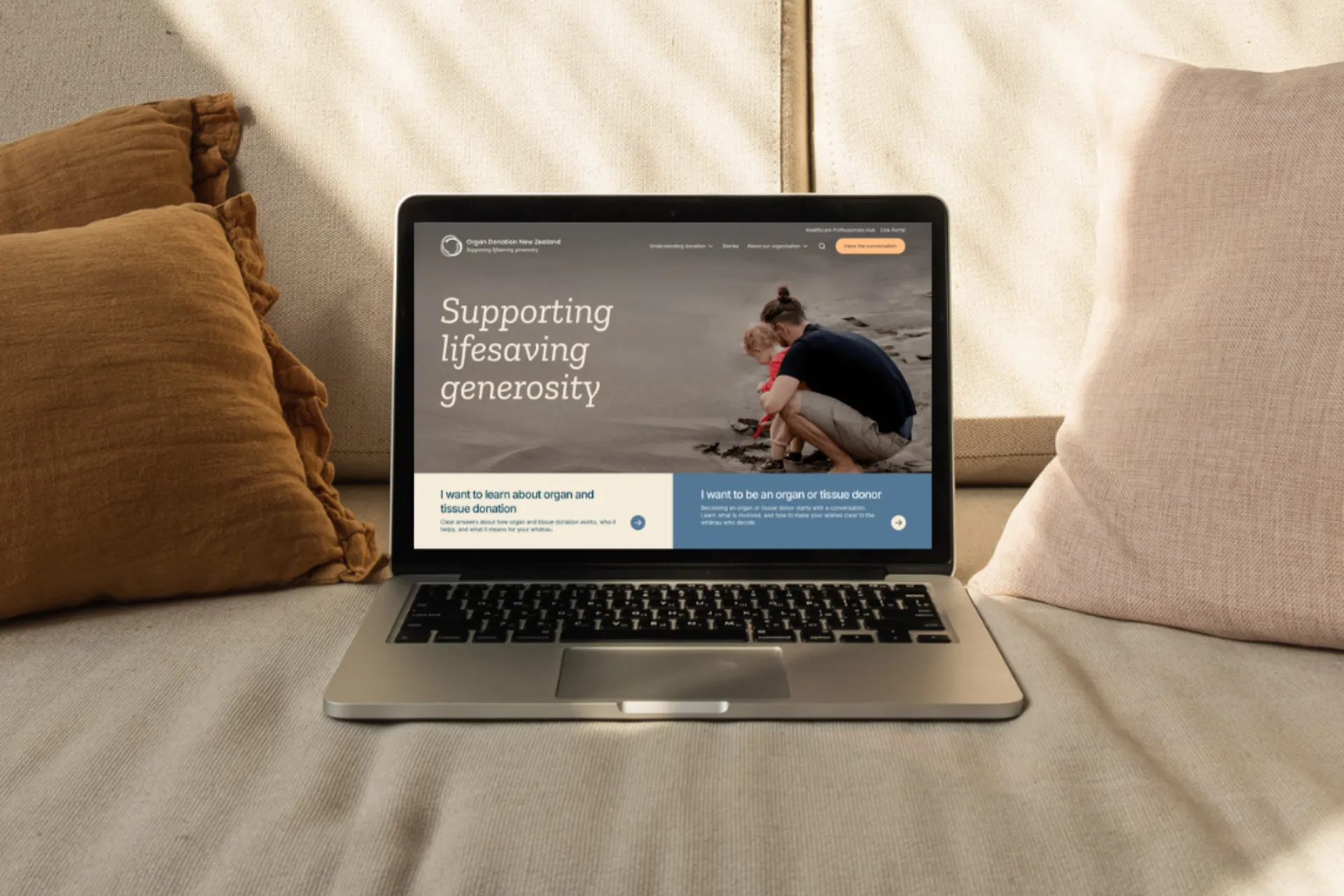
ODNZ wanted a website that could do more than inform. They wanted it to help people start a conversation, support nurses talking to whānau and loved ones and help the team at ODNZ be more efficient through automation of processes.
Within just five months, ODNZ launched a new website, a refreshed story and branding and two interactive experiences that were added during the build, all in time for its annual Thank You Day.
The process
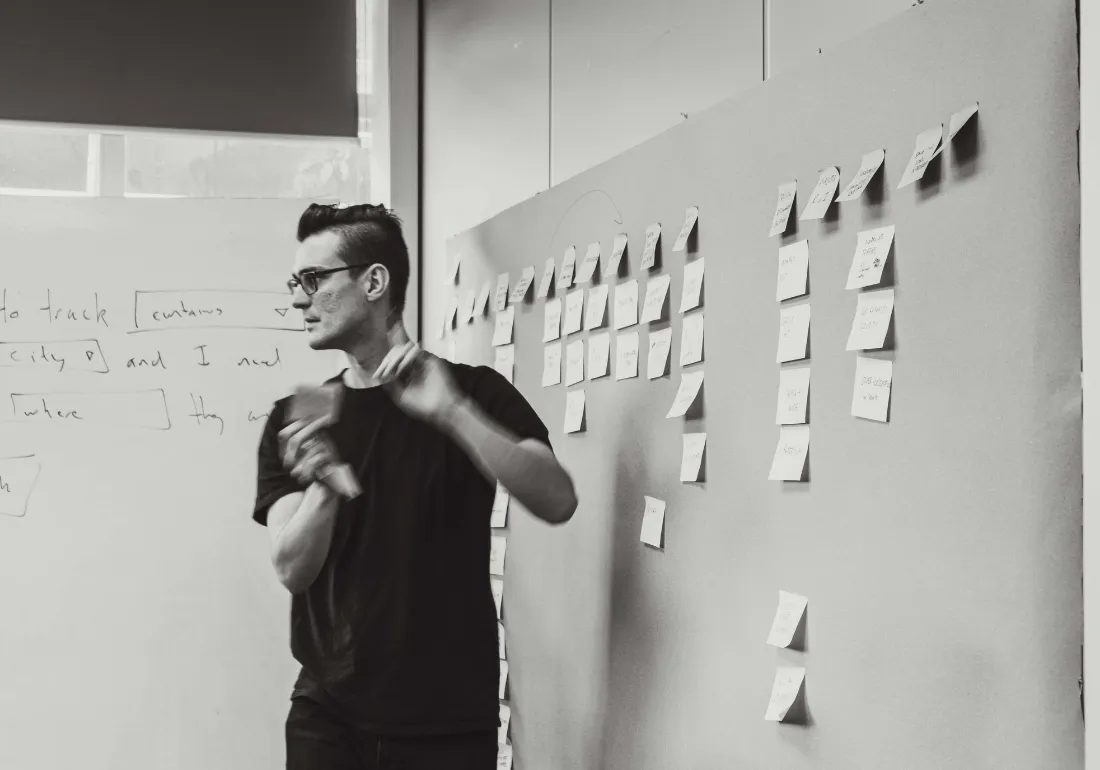
ODNZ had already commissioned customer research from TRA (short for The Research Agency), so we built on that, moving through a six-week Explore phase. We ran stakeholder interviews and workshops with ODNZ’s small team and brought them into playbacks. Fast, clear decisions from ODNZ carried that momentum into a three-month build. Design and engineering worked closely enough that ideas flowed both ways. The interactive stars page began as a prototype from one of our engineers, and design followed his lead.
A brand story told through the sky
Sunset can represent a closing and sunrise a new beginning, and many cultures and communities look to the stars to remember loved ones. ODNZ’s donor coordinators often work overnight, and one told us they had seen far too many sunrises. The insights from discovery, and this story, led to establishing design principles, STARS, which would guide every decision we made from this point on, including a new typeface and palette built around sunrises, sunsets and the night sky.
- Safe: Warm, empathetic brand expressions honoring emotional complexity.
- Trustworthy: Authoritative content built on WCAG standards and backed by NZBS lockups.
- Accessible: Clear digital hierarchy for both the public and time-poor clinicians.
- Relevant: Myth-busting content meeting people at key life stages.
- Supportive: Providing tools to facilitate early family discussions.
These principles ultimately extended to the brand strategy framework, ensuring every brand touchpoint directly resolved audience hesitations. Websites usually inherit a brand, but ODNZ took ours to their brand agency, and it now shapes their brand book and campaigns.
A site that grows with ODNZ
The front end is built in Next.js, with content managed in Strapi, a headless CMS that gives ODNZ’s team flexible content structures and lets submissions like donation stories flow back from the site. Both run on Azure, where ODNZ already worked, and Meilisearch makes search faster and smarter, so people find answers quickly.
A guide for the most important conversation
The research showed people weren’t sure how to raise donation with their whānau, so we added an interactive conversation guide – added during the build. Healthcare professionals also said they would use this tool to help support conversations with whānau. People step through questions to work out how to express their wishes, then print or share the result to add to their end-of-life plans. ODNZ expects this to help whānau confidently act on their loved one’s wishes.
Confidence at the bedside
Healthcare professionals told us the new site is something they would now confidently show families. With clear pages on what happens during donation, funerals and tangi, and eye-tissue donation, they feel equipped to answer families’ questions in the moment.
A night sky full of messages
ODNZ asked for a message board and got a sky of stars. Visitors write a message to someone they’ve lost, or the anonymous donor who changed their life, and flick it upwards. The speed and deceleration of that gesture decide where their star lands. It stays there so they can return to find it, twinkling through a code-driven effect rather than a static image. As new stars arrive, older ones slowly shrink and fade, a gentle form of closure designed in. Every message passes a captcha and moderation before it appears publicly.
Less admin for link nurses
Link nurses used to book study days by emailing back and forth with ODNZ to arrange their whole ward, rooms and availability, and new accounts were set up by hand with passwords sent by text. Now they book through Calendly and join through a new invitation flow that connects several systems behind one simple sign-up. Because this secure area holds a directory of donation staff, its personal data has to stay in New Zealand or Australia, so we self-hosted Strapi in-region on Azure.
Give it a go
Have you told your whānau what you want? Visit the new ODNZ website and step through the conversation guide to work out your wishes, then print or share the result and start the conversation with the people you love.


