










The challenge: Bluetooth can’t see a room
By June 2020, UK infection numbers were climbing. The first version of the NHS COVID-19 app had run into limitations, and the programme needed to change course quickly.
Part of the problem was blind spots. Bluetooth tracing tracks people near other people, but it doesn't track places. Weddings, offices and other crowded venues were where clusters took off, and a Bluetooth-only app was never going to catch everyone who’d shared a room with a positive case.
So the NHS team looked at what was working elsewhere. That search led them to Aotearoa.
Why RUSH
We’d designed and built New Zealand’s COVID Tracer. That covered two native apps plus the QR code generator and scanner behind them. Our system had already been tested in production, at national scale.
The NHS COVID-19 app programme brought us in to do the same for the UK. We joined a 70+ person team from DHSC, Zuhlke Engineering and Accenture. We owned two parts of the product:
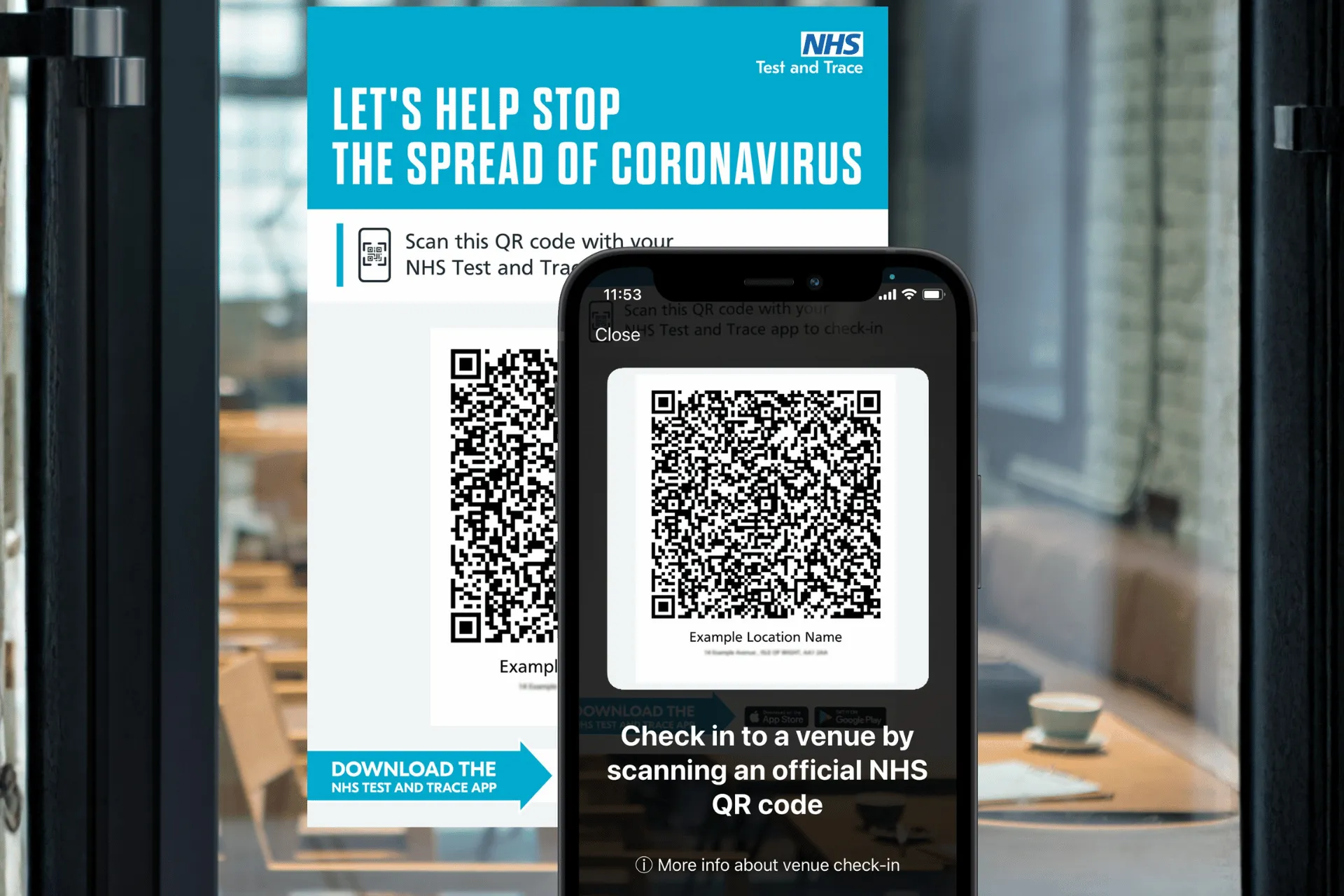
1. The QR code generator
Every venue in the country could get its own QR poster. When people scanned in, the app recorded where they’d been as well as who they’d been near.
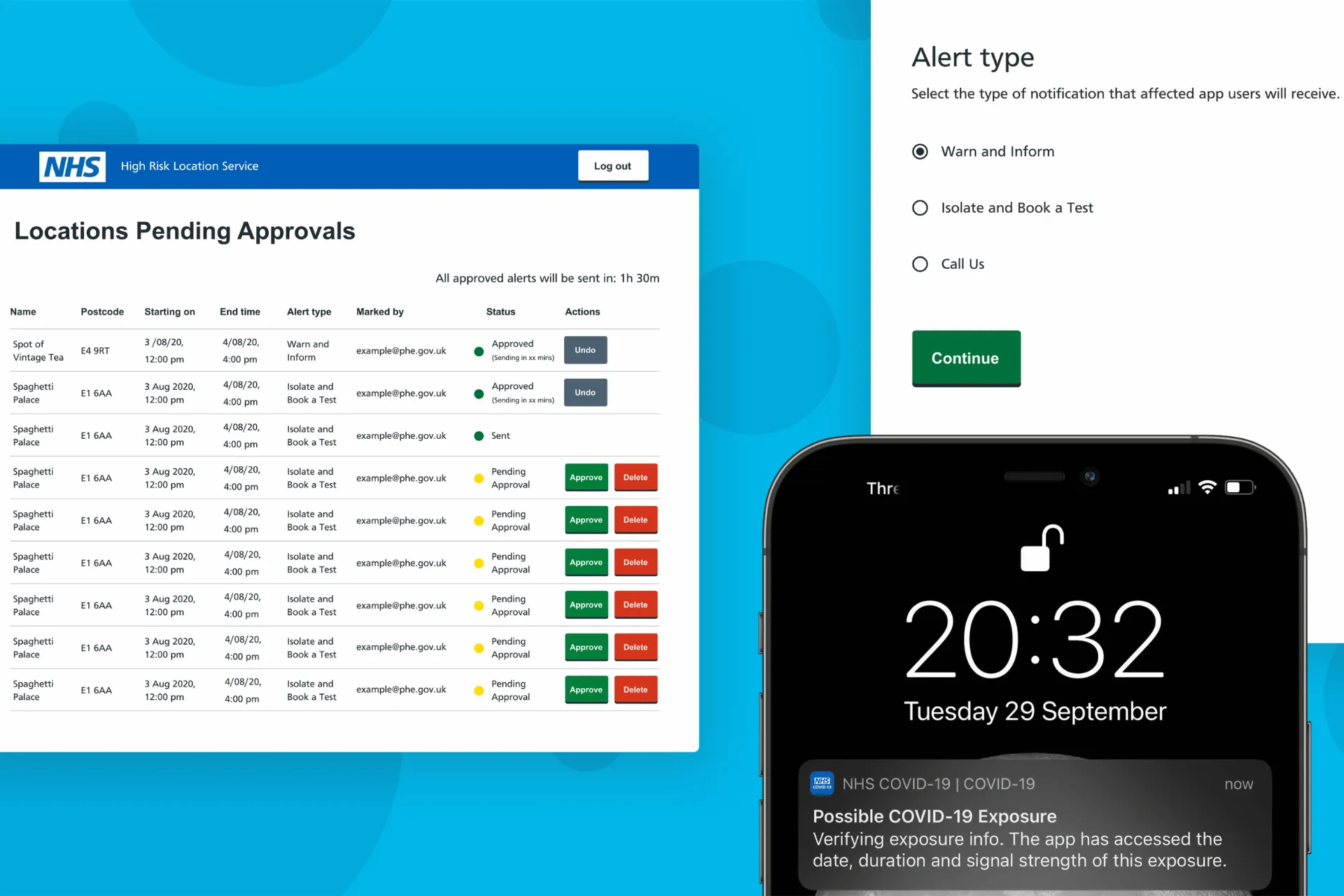
2. The JBC venue-alert tool
Contact tracers could search for a venue by postcode, name or poster, then mark it as high risk. The JBC team then queued alerts and decided who needed to be notified.
This let tracers act on a whole cluster at once. When one person at a venue tested positive, everyone who’d checked in could be told quickly. Containing an outbreak depends on that speed.
Ship small, then scale
The new app went live in one location first. Over the next three weeks, the team worked through feedback and features. Then it rolled out nationally at the end of September, about 13 weeks after we started.
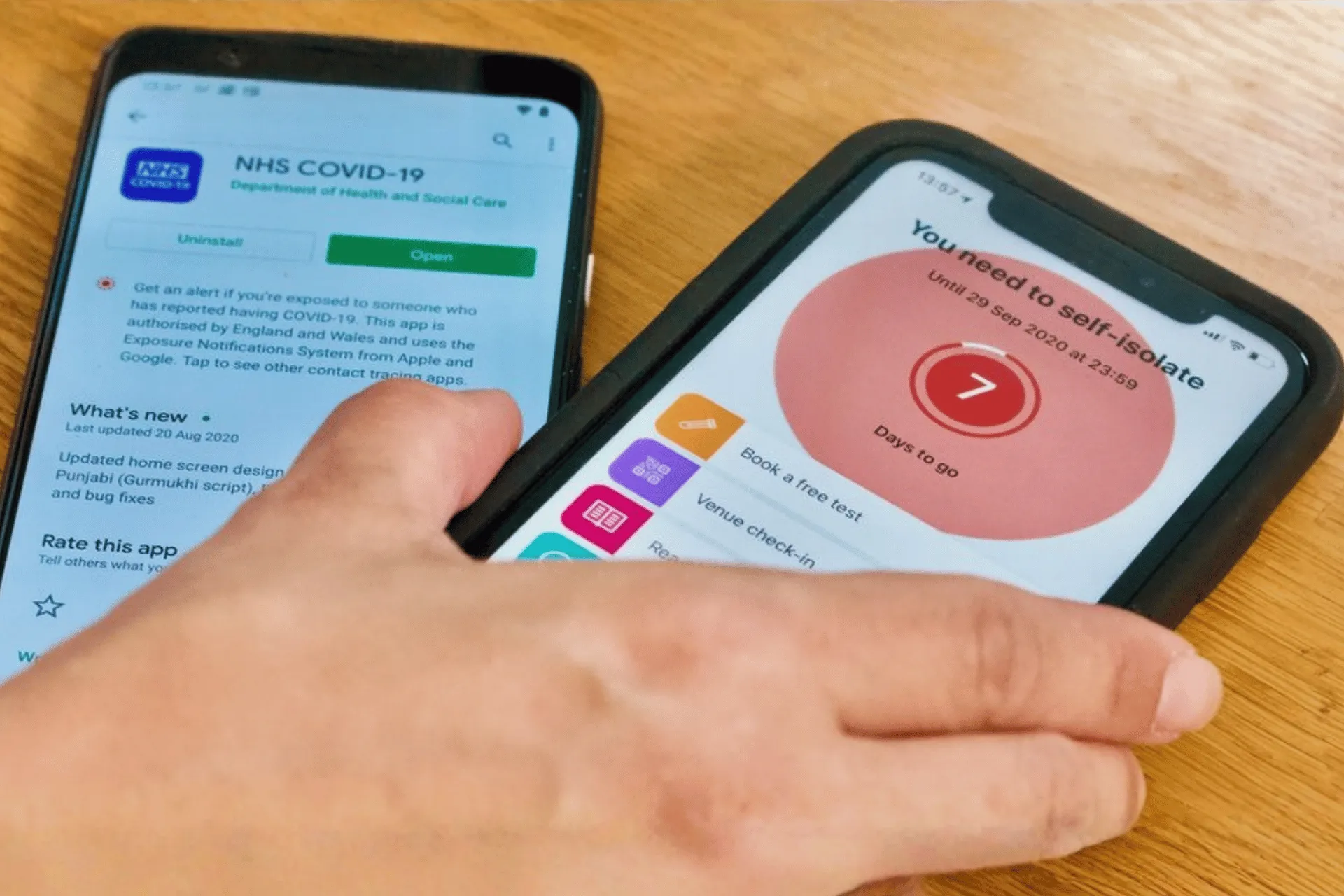
The relaunched app added postcode-based alerts and QR check-in at venues. It worked alongside traditional contact tracing and testing, so people could understand their own risk and act on it.
“NHS Test and Trace is vital to controlling the spread of coronavirus and this app is designed to give people maximum freedom at minimum risk.”
Simon Thompson, Managing Director, NHS Test and Trace App
Within five months, people had checked in more than 103 million times, and 253 venues had been flagged as at risk. UK health ministers estimate the app prevented around 600,000 cases.
New Zealand-built technology, proven at home, was adopted by one of the world’s largest health systems at short notice and run at national scale. We slotted into a large multi-partner team and delivered our part without slowing anyone down.


