

My dad sends me a photo of his crossword every morning


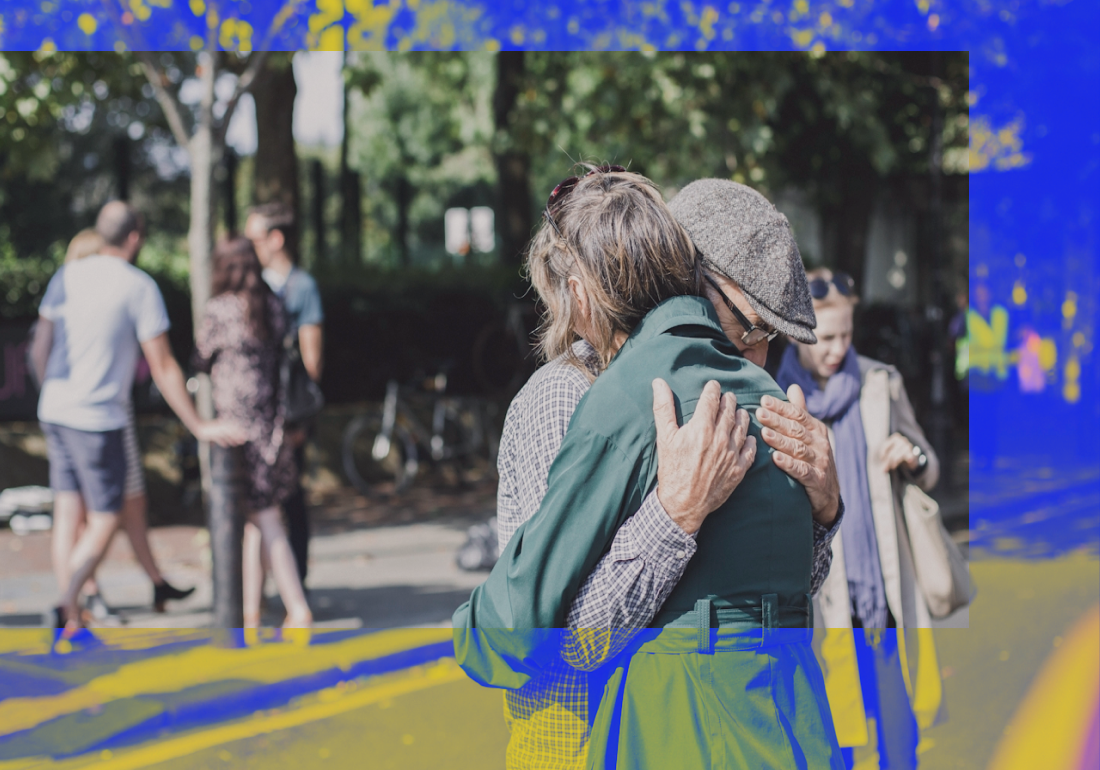
That's our check-in system. If it arrives, I know he's upright, okay, and living normally. If it doesn't, I call him.
It works. But it's also a workaround, not a solution. My dad’s 95. He is digitally literate, having been a tech guy his whole life. But right now he checks his email once a day and struggles with his iPhone. It got me thinking about a bigger problem sitting right in front of Aotearoa's health system.
I was at a Digital Health Association event recently and a presentation from the CEO of Nurse Maude got to me. New Zealand's health system is already stretched and under pressure. It's been reported that we have a doctor shortfall estimated at 1,700 now, projected to reach 3,400 by 2032. The boomer wave is coming, and the worst thing we can do is pull older people out of their homes and into residential care. It costs a fortune, and more often than not, it costs them their independence.
Most older people, given the choice, want to stay home, connected to whānau and community. And for those who can, that's usually better for them and cheaper for the system than a residential facility.
The infrastructure is starting to form. Health NZ's Health Digital Investment Plan includes remote patient monitoring, smart falls detection in the home, virtual care models, and the ability for whānau to be granted delegated access to an elderly parent's health record.
The Hospital in the Home programme, which delivers acute-level care using remote monitoring, virtual check-ins, and visiting clinicians so patients recover at home rather than in a hospital bed, has completed its rollout across the Northern region and is now underway in Waikato. Telehealth now accounts for around 14% of specialist follow-up appointments nationally, and that number is growing.
These are real, meaningful developments.
But there's no joined-up thinking about the actual lived experience of being old and trying to navigate technology that wasn't designed for you. No one's building the interface layer that sits in your dining room, not your office, that shows you your appointments, reads you the emails that matter, and tells your family you're okay today. The human-facing digital experience that would allow an older person to actually use all of this without needing a tech-savvy adult child to set it up for them and hope for the best.
At RUSH, we've spent years working in health, including delivering the NZ COVID Tracer app, VR Pain Management, and building a unified antimicrobial digital platform. That work has taught us that the hardest part of digital health is actually understanding the human at the other end of the experience well enough to build something they'll actually trust and use. We channeled this instinct through Love Heart with Frances Valintine who’s behind a platform for older New Zealanders who are curious, engaged, and absolutely not done learning. Everyone deserves technology designed around how they actually live.
The conversation at the Digital Health Association event surfaced something important: we have good infrastructure foundations in New Zealand. We have a national health identifier, a shared set of data standards, a Shared Digital Health Record expected to launch mid-2026. What we're missing is the innovation layer, the products and experiences that make all of that infrastructure meaningful for real people.
An aging population is the most pressing, most emotional, and most personal test of whether we can close that gap. I don't know exactly what the solution looks like. But I know my dad deserves better than a daily crossword photo as his lifeline. And I suspect a lot of New Zealand families feel the same way.
Because at some point, the crossword system won't be enough.
.png)